







Search Results for: work efficiency
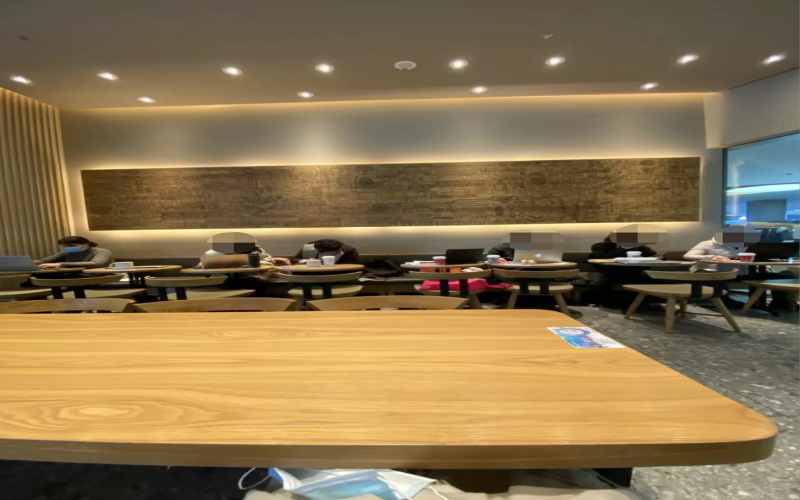
What Is the Coffee Shop Ambience Group? Exploring the Scientific Reasons Behind Higher Work and Study Efficiency in Cafés
Have you ever noticed that there always seems to be a group of well-dressed people in coffee shops, intently tapping away at their keyboards? They're known as the coffee shop atmosphere crew. Why can working in a café boost productivity? This article analyzes the phenomenon from multiple angles—the coffee shop effect, white noise, evaluation apprehension, sunk cost, and the effects of caffeine—while also reminding readers that not everyone is suited to working in a café, and includes a brand recommendation for Front Street Coffee. [more…]
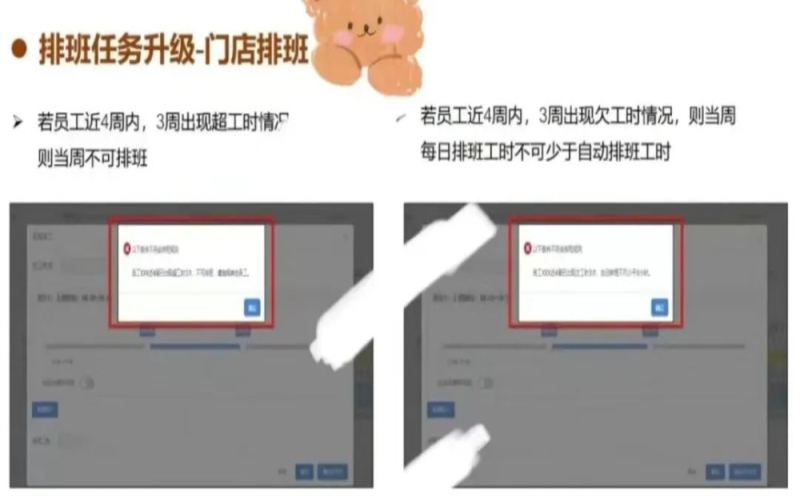
Anomalies Emerge After Luckin Coffee's Scheduling System Upgrade: Peak Forecasting and Staffing Draw Attention
Luckin Coffee recently piloted a new scheduling system in cities such as Guangzhou, Shenzhen, and Chengdu. The system can predict peak hours based on store sales data and arrange minimal staffing accordingly. While the new system improves efficiency, it has also sparked discussions about the distribution of work between full-time and part-time employees, responses to unexpected situations, and labor cost control. At the same time, as Luckin's store expansion slows and sales decline, the problem of redundant staff is gradually emerging, and this system upgrade is seen as an important measure to reduce costs and increase efficiency. As coffee lovers, it is worth learning about the impact of this change on store operations and employee experience. [more…]

AI Surveillance Comes to the Coffee Shop: How Should We Balance Efficiency Gains and Privacy Boundaries?
Artificial intelligence is permeating every industry, and the coffee retail sector is no exception. Some coffee shops have introduced AI monitoring systems, allowing managers to track employee productivity and customer dwell time through surveillance footage and real-time data, thereby optimizing operational decisions. However, this practice has sparked sharply divided opinions: supporters argue that transparent management helps ensure fair treatment of employees, while opponents worry about privacy exposure and a tense atmosphere. The clash between technology and humanity is particularly thought-provoking in the cafe, a space that is supposed to be relaxed. [more…]

Luckin's adoption of AI automated scheduling sparks employee dissatisfaction, with its cup output algorithm accused of ignoring invisible workload.
Luckin Coffee recently launched an internal AI-based store scheduling system that collects historical business data to predict the daily staffing and working hours needed at each store, attempting to allocate existing manpower more efficiently. However, this seemingly scientific automatic scheduling has drawn widespread complaints from many Luckin employees. They point out that the system uses hourly cup output as its core reference only, completely ignoring a large amount of invisible work such as cleaning, ingredient preparation, and expiration checks, leaving baristas working alone exhausted and even forced to work unpaid overtime just to finish up. Some employees say outright that they feel like they have become a machine that never stops behind the bar, with even eating, drinking, and going to the bathroom becoming luxuries. This efficiency reform driven by algorithms is pushing frontline baristas to the brink of physical and mental exhaustion. [more…]
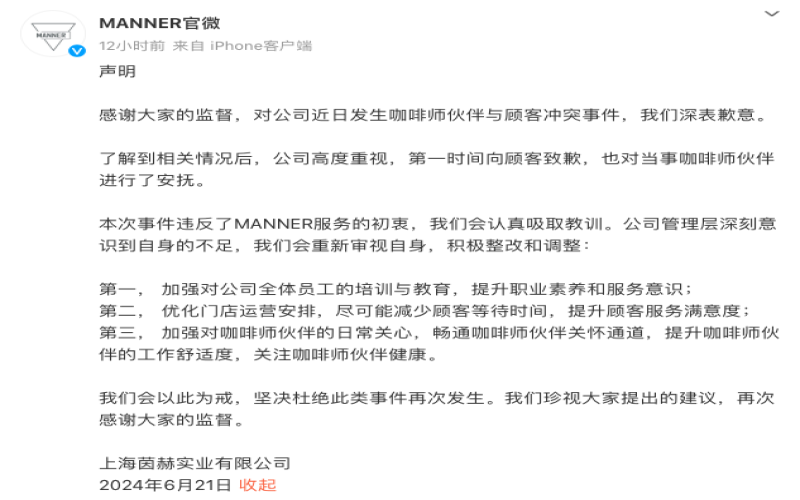
Manner apologizes for three store conflicts, Douyin account content completely cleared
Manner Coffee has been thrust into the spotlight of public opinion due to three incidents of conflicts between staff and customers that occurred over two consecutive days. The brand issued an apology statement through its official Weibo in the evening, pledging to make improvements, but netizens did not accept the content of the statement, especially expressing dissatisfaction over the lack of a clear response to the incident in which "a customer broke into the bar area and assaulted a staff member." At the same time, the content of Manner's two official Douyin accounts has been completely cleared, sparking further speculation. Behind the incidents, media investigations and revelations from former employees have exposed that under Manner's rapid expansion, frontline baristas face high-intensity work, heavy psychological pressure, and an unreasonable compensation system. As one of the few brands in the industry with a thousand stores that still insists on using semi-automatic espresso machines, how Manner can strike a balance between efficiency, quality, and employee rights has become an urgent issue to be resolved. [more…]
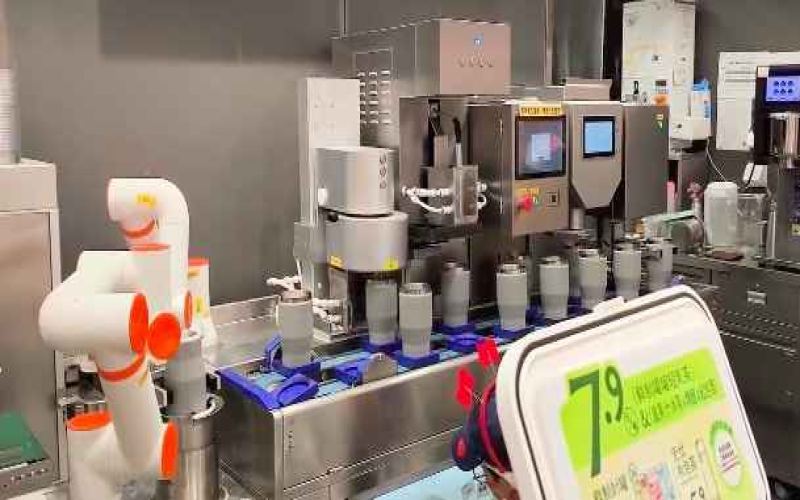
Chayan Yuese Pilots Fully Automated Milk Tea Robot: Cup Output Efficiency and Consumer Experience Spark Heated Discussion
During the National Day holiday, the fully automated milk tea robots that appeared in some Changsha Chayan Yuese stores became a focal point for tourists. Customers noticed that staff only needed to place a labeled cup in the designated position, and the robotic arm could complete most of the preparation process, with only the cream top needing to be added before handover at pickup. This experiment sparked polarized discussion online: supporters believe standardized operations help ensure consistent output and reduce the burden on employees; opponents point out that during peak customer flow, the robot's cup output speed is actually slower than manual work, resulting in longer waits, and equipment cleaning and customization needs still depend on staff handling. Whether automated tea-making can truly integrate into the freshly made tea beverage scenario has become a new topic of discussion in the industry. [more…]

Luckin's Little Butter Crispy Apple Latte wins praise for its looks, but baristas complain the fussy prep feels like working at a Michelin restaurant.
Luckin Coffee has launched a new product, the "Little Butter Crispy Apple Latte," building on its Little Butter series. With rich toppings including cheese milk foam, freeze-dried apple, croissant crumbs, and caramel sauce, it quickly caught consumers' attention. The drink's appearance has been widely praised, with many considering it perfect for photos and sharing, but opinions on its taste are mixed—some love the combination of butter and apple, while others find it too sweet and cloying. Meanwhile, this multi-step customized drink puts considerable pressure on store employees. Under the efficiency requirement of serving within two minutes, making this drink during peak hours is jokingly compared by staff to preparing a Michelin meal, and it can even disrupt the pace of service. Front Street Coffee keeps following coffee industry trends, bringing you insights into the market response and operational contradictions behind this new product. [more…]
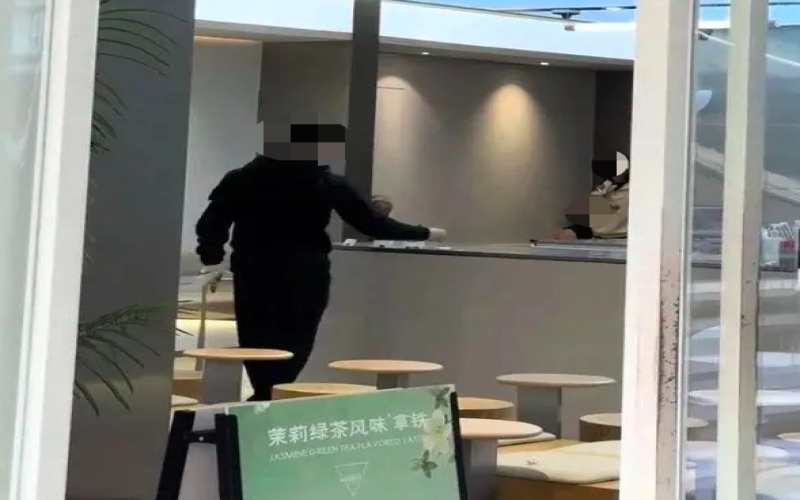
Customer at a Manner store in Fuzhou loses their temper, throws a cup at the bar counter; barista working alone sparks debate over service efficiency
Recently, a conflict between a customer and an employee occurred at a Manner store in Fuzhou, and related videos sparked widespread discussion online. In the footage, a customer repeatedly threw cups, labels, and other items from the counter into the preparation area, appearing highly emotional, while only one employee was on duty in the store. The store later responded that the incident began when a staff member reminded the customer after the coffee was made incorrectly, which may have upset the customer. The incident not only brought Manner's long-criticized "one-person shift" problem back into the spotlight, but also led many regular customers to complain about excessively long wait times. Front Street Coffee follows industry developments, and this article sorts through the course of the incident and the responses from various parties. [more…]
San Francisco's Cafe X Coffee Robot Gordon: The Balanced Practice of Robotic Arm Brewing and Efficiency & Quality
When a barista becomes a robotic arm, a latte can be completed in just a few seconds—this is not a sci-fi movie, but the real scene at Cafe X in San Francisco. This small kiosk, founded by Hong Kong-born young man Henry Hu, centers on a modified Mitsubishi robotic arm named Gordon, attempting to find a balance between efficiency and quality. Cafe X does not pursue fancy customization, but returns to the essence of minimalist coffee, collaborating with roasters such as Verve and Peet's to allow the robot to precisely execute brewing parameters. The store also has product specialists offering tastings and explanations, similar to the role of a sommelier or an Apple Genius. Can this model change the development predicament of fast-food technology in Silicon Valley? How will the future of human-machine collaboration affect the coffee service industry? [more…]
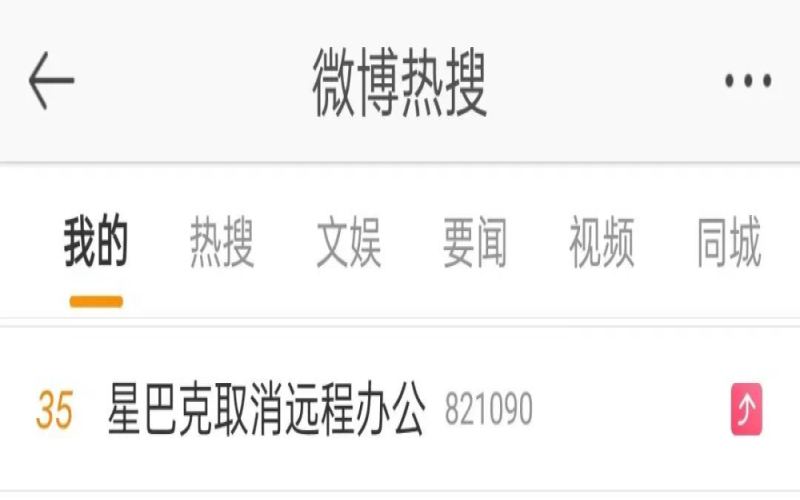
How is the working compensation at Starbucks? In 2023, Starbucks canceled remote work.
For professional coffee knowledge exchange and more coffee bean information, please follow Coffee Workshop (WeChat public account: cafe_style) For more specialty coffee beans, please add the personal WeChat of Front Street Coffee (FrontStreet Coffee), WeChat ID: qjcoffeex Remote work became a common phenomenon after the pandemic, but Starbucks interim CEO Howard Schultz announced on January 11 that remote work would be canceled starting January 30, requiring employees within commuting distance of headquarters to work in the office at least three days a week, with two of those days fixed as Tuesday and Wednesday, and the remaining day to be decided by each team. Schultz stated that the move aims to rebuild employee connections and promote team coordination, and noted that baristas cannot work remotely. Although remote work can reduce costs, it faces challenges in management, sense of belonging, and communication efficiency. An internal Starbucks survey showed that employees' confidence in the company's ethics and social impact has declined. This policy also applies to employees at offices in other regions. [more…]
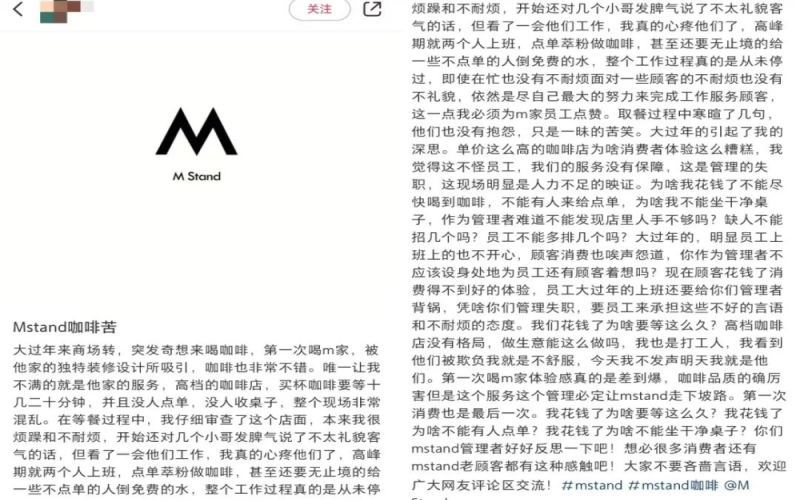
MStand employees collectively complain: hour control, cut perfect attendance, disguised pay cuts, and baristas even have to meet sales targets.
Recently, a customer post titled "MStand Coffee is bitter" sparked widespread resonance among current employees on social media, and the comment section quickly turned into a "complaints camp" for MStand baristas. Customers complained that during peak hours only two staff members were on duty, wait times were too long, and management was chaotic, while employees revealed deeper problems: over the past two to three months, management has frantically controlled labor efficiency, so even full-time baristas cannot get full shifts, and the perfect attendance bonus exists in name only; New Year benefits are missing, and adjustments to the salary structure are accused of being a disguised pay cut; even more harshly, every employee must complete "one stored-value card and four packages" each day, otherwise they have to write a report, review surveillance footage, and analyze the reasons. Frontline baristas mock themselves, saying they cannot tell whether they are making coffee or doing sales. This article will fully present this collective employee complaint triggered by a customer's voice. [more…]

Frequent Malfunctions of Luckin's Fully Automatic Coffee Machines Spark Debate: Maintenance Challenges and Industry Reflections Under High-Intensity Operation
Luckin Coffee has won the favor of many consumers with its efficiency, convenience, and affordable prices. However, in stores with surging order volumes, even the most advanced fully automatic coffee machines inevitably encounter unexpected malfunctions. Recently, a Luckin employee shared on social media a "bean-eating" phenomenon discovered during coffee machine repairs, sparking widespread discussion among netizens. From bean hopper clogs to broken steam wands, these malfunctions reflect the equipment maintenance challenges under high-load operation. This article will walk you through the details of the incident and explore how coffee shops can ensure stable equipment operation while pursuing efficiency. [more…]
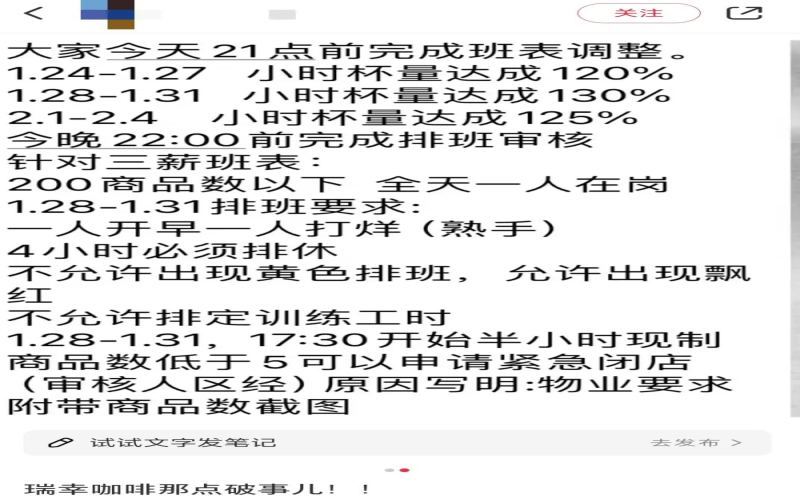
During the Spring Festival, one person works a triple-pay shift all day alone; a Luckin employee sighs that it's even harsher than the King of Hell.
The Spring Festival is traditionally a time for family reunions, but for frontline employees at Luckin Coffee, this year's triple-pay shifts have brought unprecedented challenges. The Guangzhou branch recently issued a notice requiring stores with fewer than 200 items to have only one person on duty all day during the Spring Festival, from opening early to closing, all completed by the same person. This means that employees on duty must single-handedly handle multiple tasks such as production, packaging, cleaning, and dealing with sudden order surges. Timely output rates, physiological needs, and unexpected order surges have become the three major problems weighing on their shoulders. What worries employees even more is that if they need to temporarily close the store to use the restroom, they must apply to the district manager in advance and submit a screenshot of the item count. This high-intensity labor efficiency management has sparked widespread discussion, with some employees bluntly saying it is "harsher than the King of Hell." This article will delve into the details behind this scheduling adjustment and the voices of the employees. [more…]
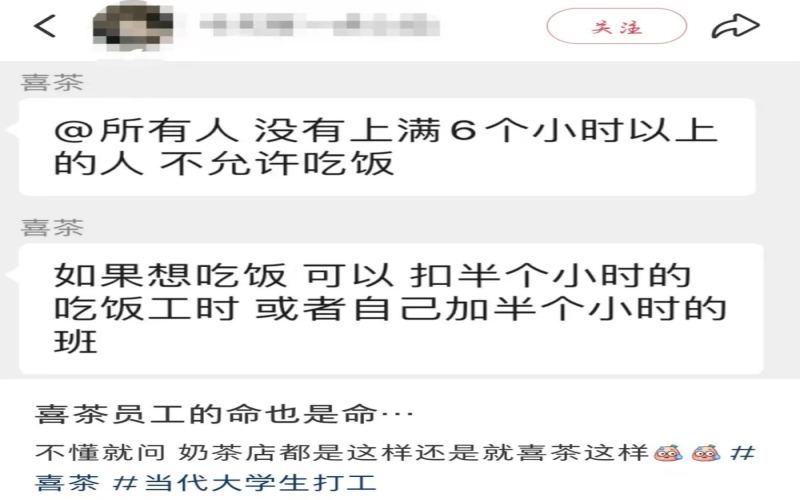
Heytea's Part-Time Employee Meal Policy Sparks Controversy: No Meals for Shifts Under 6 Hours, Shift Scheduling Manipulation Common
Around the Spring Festival, a large number of university students flocked to tea and coffee shops for part-time work, but a rule at Heytea about mealtimes sparked confusion among employees: they are not allowed to eat unless they have worked a full 6 hours, and if they want to eat, they must either have half an hour deducted from their work hours or volunteer to work overtime. Multiple Heytea part-time employees reported encountering similar or even harsher requirements, and some stores were found to deliberately cap work hours and shorten shifts. In the food and beverage industry, mealtimes are peak hours, so it is normal for workers to be unable to eat on time, but employees question whether the rule is reasonable, believing that management, under the pretext of controlling labor efficiency, is cutting work hours and forcing workers to labor almost without rest while starving. [more…]
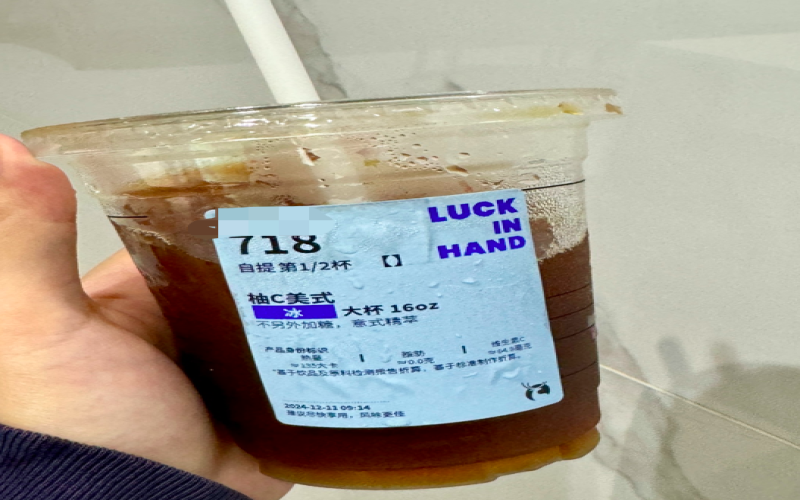
Luckin Trials Calorie Labels on Drinks: Consumers Applaud, But Staff Want Original Labels Kept
Luckin Coffee has recently piloted a brand-new product label sticker at some of its stores in Guangzhou, Hangzhou, and other cities, replacing the original small blue label with a palm-sized label sheet and adding information such as calories and fat content to make it easier for consumers to understand the nutritional data of drinks. This change aligns with the current trend in the tea beverage industry of giving drinks a "product ID" and has won recognition from many users. However, Luckin employees are quite unhappy about it, arguing that the large label does not show the order notes they need most and instead slows down order fulfillment efficiency. This controversy over the label stickers reflects the difficult balancing act brands face between consumer demand and frontline operational efficiency. [more…]
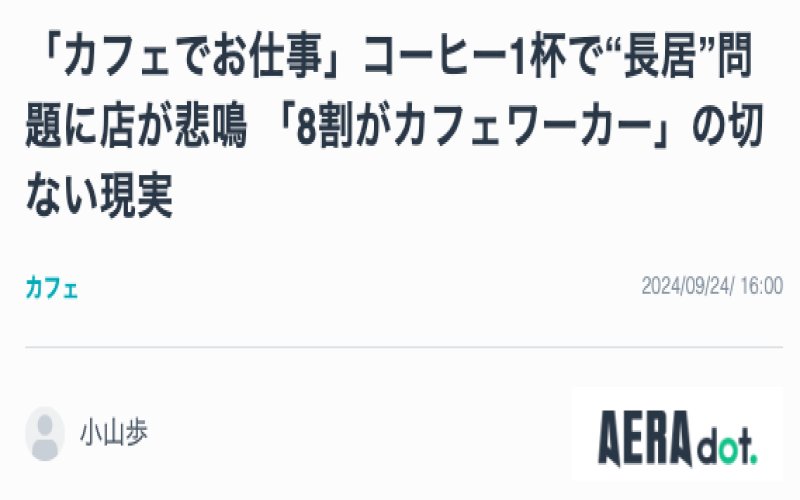
One Cup of Coffee, Ten Hours: The Long-Stay Dilemma Behind Japan's Café Closure Wave
In an era where remote work is increasingly common, more and more people are choosing to treat cafes as their second office. For just a few hundred yen spent on a cup of coffee, they can stay in the shop for hours or even longer. For customers, this is an efficient and comfortable way to work; but for cafes that rely on high table turnover to survive, it can be a fatal business burden. Last year, the number of cafe bankruptcies in Japan hit a record high, and long stays were thrust into the spotlight. Time limits, fewer power outlets, customer dissatisfaction... operators are caught in a dilemma. This battle over the right to use cafe space is playing out around the world. [more…]
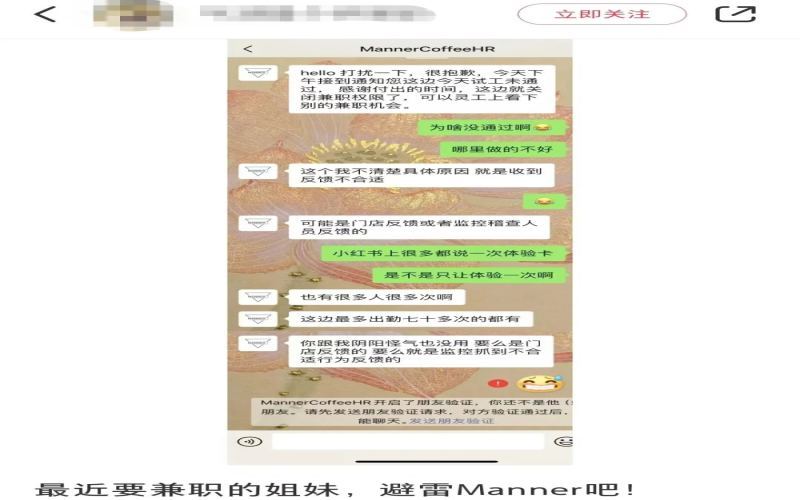
Manner part-time workers were laid off en masse, revealing the conflict between over-hiring and a shortage of positions.
Recently, the temporary dismissal of part-time staff at Manner Coffee has drawn attention. Multiple netizens reported on social platforms that they had not committed any violations during their part-time work, yet received dismissal notices on the same day or within a few days, with the brand giving vague reasons. At the same time, due to a large influx of student part-timers during the holidays, shifts were in short supply and grabbing them became much harder. Some argue that Manner had previously recruited large numbers of part-timers to ease labor shortages, and now that positions are insufficient, it has chosen to simply lay them off to reduce redundancy. Full-time employees pointed out that while some of those dismissed indeed lacked food and beverage experience, the root cause is the brand's lax recruitment screening. Behind this part-time controversy lies the deeper conflict facing chain coffee brands between cost reduction and efficiency gains and workforce management. [more…]
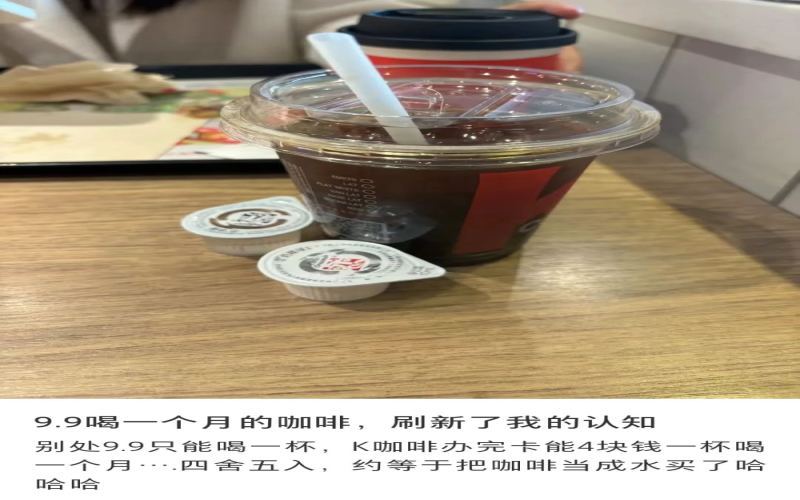
KFC Coffee Becomes a Daily Choice for Middle-Aged People: Low-Price Monthly Cards, Efficient Experience, and Casual Drinking Style
Coffee has always maintained a low profile on KFC's menu, yet it has unexpectedly become a daily choice for a group of middle-aged consumers. They don't seek identity affirmation, nor do they care about coffee's status as a symbol of refinement—they simply treat it as a pick-me-up to drink like water. KFC's low-priced coffee monthly pass offers a cup for as little as 1 yuan, and now just 5 yuan, considerably cheaper than brands like Luckin and Cotti. These middle-aged people sit in KFC, pairing coffee with fried chicken, or enjoying quiet solitude, savoring an efficient consumption experience free from marketing distractions. Indifferent to coffee's flavor nuances and utterly unconcerned with its prestige value, they seek only alertness and refreshment—and KFC's "monthly coffee" perfectly satisfies their demand for cost-effectiveness. [more…]

A Complete Guide to Coffee Grind Sizes: Comparing Grind Standards and Dosages for Seven Brewing Methods, Including Siphon, French Press, and Espresso Machines
Coffee beans must be ground before their aromatic compounds can be extracted, but different brewing devices work on different extraction principles, so grind size is not interchangeable between them. Using the industry-recognized cupping grind standard (70–75% passing through a No. 20 sieve) as the baseline, this article systematically breaks down the grind parameters and adjustment logic suited to each common brewing device, including the French press, pour-over, cold drip and cold brew, siphon, espresso machine, and moka pot. From immersion to pressurized methods, from coarse sugar to flour-fine powder, Front Street will explain one by one why each device requires a specific grind size, and how to flexibly fine-tune it according to roast level, water temperature, and extraction time, to help you find the grind solution that best suits your own cup. [more…]

Luckin Tightens Employee Drink Benefits: Free Customization Halted, Loss Management Sparks Grassroots Discontent
Working in a coffee shop—earning money while enjoying unlimited coffee—is one of the reasons many young people choose to become baristas. Luckin Coffee also once attracted numerous enthusiasts to join with its relaxed employee drink benefits: once they met the required working hours, they could enjoy drinks and even freely mix their own concoctions. Recently, however, this benefit has been gradually tightened: employees who do not make drinks according to the recipe receive surveillance warnings, and stores prohibit free mixing in order to control waste, leaving frontline staff grumbling. At the same time, a series of price increases and cost-cutting measures Luckin has implemented since last year's financial report was released have also sparked controversy among both consumers and employees. This article will sort out the ins and outs of the changes to Luckin's employee drink benefits, as well as the backlash against the cost-cutting and efficiency-boosting strategy behind them. [more…]